Hidoc Journal Of Science
Introduction to pheochromocytoma diagnosis and treatment
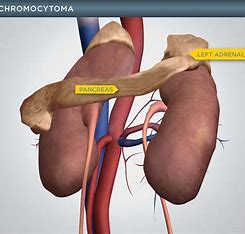
Pheochromocytoma is a catecholamine -producing tumor of the adrenergic system or the chromaffin cells among which approximately 90% are adrenomedullary. Non-adrenal tumors are also found which arise from the sympathetic nervous system. These are designated as extra-adrenal pheochromocytomas or functioning paragangliomas and they most commonly occur in the abdomen, chest and neck. Pheochromocytomas are rare in nature and it occurs in 1 to 2 people out of 100,000 adults.
Pathophysiology:
Symptoms include hypertension (paroxysmal or persistent), headache, pallor, hyperhidrosis, anxiety, tachycardia, palpitations, angina, hyperglycemia, weight loss, paresthesias, visual disturbances (second-degree hypertensive retinopathy), dilated pupils are observed according to the secretions of catecholamines by the tumor. Other than these, events like vasoconstriction can occur due to alpha-adrenergic stimulation, a decrease in insulin secretion is observed by alpha2- adrenergic stimulation. Similarly, cardiac inotropy, bronchodilation, vasodilation and others can be observed. Cardiomyopathy may also be observed due to excessive levels of catecholamines. are toxic to the myocardium and cardiomyopathy may result. The symptoms can be episodic in nature. Paroxysms may last from less than 1 min to several hours and may occur only once every few months or as frequently as multiple times per day.
Diagnosis:
1. Checking the above-mentioned symptoms is important as the first step of diagnosis. Other than this pressor response to histamine, glucagon, droperidol, tyramine, metoclopramide, saralasin, tricyclic antidepressants, or phenothiazines also indicate the possibility of pheochromocytoma.
2. Patients when examined physically may be observed to be normal apart from the occurrence of paroxysm.
3. In order to confirm through laboratory evaluation plasma or urinary catecholamine levels or urinary catecholamine metabol ite (VMA or metanephrine) levels are checked. In rare cases, suppression tests (clonidine) or provocative tests (glucagon) are needed.
4. The levels of plasma and urinary catecholamines can be interfered by stimulation of endogenous catecholamines (e.g., surgery, stroke) or administration of exogenous catecholamines which may include various drugs (alpha2-agonists, methyldopa, converting enzyme inhibitors and others)
5. Tumors may also be localized by scanning techniques like CT, MRI, or venous blood sampling for catecholamines.
6. The differential diagnosis includes the symptoms of malignant hypertension, thyrotoxic crisis, hypertensive response (to stress, surgery, anesthesia) and so on.
Treatment:
Considering the treatment approaches for pheochromocytoma, surgical excision is meant to be the definitive treatment which requires preoperative management in order to determine the surgical outcome. The preoperative goals include controlling blood pressure, providing adequate intravascular volume, treating tachyarrhythmias, treating heart failure and glucose intolerance. Other than these measures like adequate amounts of blood should be available for transfusion in the perioperative period because bleeding is frequently observed, diuretics should be used sparingly as intravascular volume is already constricted by catecholamines, drugs that releases catecholamine are to be avoided. Postoperative monitoring of cardiovascular and metabolic activities are required. Meperidine, and benzodiazepines can be used for sedation and pain. In the case of recurrent hypertension after operation the possibility of residual tumor needs to be checked.
Explore More
Lumbar Discectomy Postpartum: How to Ensure a Safe Recovery for New Moms

Exploring the Complexities of Comorbid Depression in Endocrine, Musculoskeletal, and Vascular Diseas

CPX4 Breast Tissue Expanders: Is This A Safe Option for Primary Reconstruction Patients?
CONGENITAL HEART DISEASE IN CHILDREN

The Association of Stress And Immune System

Substance abuse among teenagers- A new threat

Triggering Obesity For Mental Health

Importance Of Exercise And Sports Medicine
Do booster shots immunize HIV-infected individuals from COVID?