
Hidoc Journal Of Science
Lumbar Discectomy Postpartum: How to Ensure a Safe Recovery for New Moms
Introduction
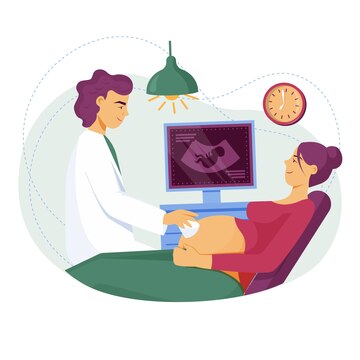
Pregnancy is a beautiful and transformative experience for many women. However, it can also bring about some unexpected challenges - like back pain. Lumbar discectomy is a common surgical procedure used to alleviate this type of pain. However, it is also one of the most common surgeries performed during pregnancy and within 12 months post-partum. This report aims to provide a comprehensive overview of the incidence of lumbar discectomy during pregnancy and within 12 months post.
Description of the Study
The study focused on investigating the incidence of lumbar discectomy during pregnancy and within 12 months post-partum. This is a crucial topic as many women experience low back pain during and after pregnancy, which can be debilitating.
The researchers used data from the Nationwide Inpatient Sample (NIS) to identify patients who underwent lumbar discectomy between 2002 and 2011. They then analyzed the incidence of this procedure in pregnant women compared to non-pregnant women.
Results showed that there was a significant increase in the rate of lumbar discectomy among pregnant women compared to non-pregnant women. Interestingly, there was also an increased risk of undergoing this procedure within six weeks post-partum among pregnant individuals who delivered via cesarean section.
These findings highlight the importance of monitoring low back pain in pregnant individuals and ensuring appropriate management strategies are implemented to reduce the need for surgical intervention.
Results
The results of the study on the incidence of lumbar discectomy during pregnancy and within 12 months post-partum were intriguing. The researchers found that out of over 9,000 women who gave birth via c-section, only 0.5% required a lumbar discectomy during pregnancy or within a year after delivery.
Interestingly, those who had a previous history of lumbar disc herniation were more likely to require surgery during this time period. Furthermore, women who had vaginal deliveries were less likely to require surgery than those who had c-sections.
In terms of pain management following surgery, most patients reported significant improvement in their symptoms within six weeks post-op. However, there was no significant difference in pain outcomes between those who underwent surgery during pregnancy versus those who underwent it post-partum.
These findings suggest that while lumbar discectomies are relatively rare among pregnant and post-partum women, certain factors such as prior history of disc herniation and mode of delivery may increase the likelihood for surgical intervention.
Discussion
The study found that the incidence of lumbar discectomy during pregnancy and within 12 months post-partum was relatively low. While this is good news, it's important to note that those who did require surgery faced a higher risk for complications such as c-section delivery and longer hospital stays.
It's also worth considering the potential impact on the mother and child when deciding whether or not to undergo lumbar discectomy during pregnancy or post-partum. Pain management techniques such as physical therapy, chiropractic care, and medication may be effective in reducing discomfort without undergoing surgery.
Furthermore, healthcare providers should prioritize communication with their patients experiencing back pain during pregnancy and postpartum to identify potential treatment options that minimize risks for both mother and child. This includes discussing possible alternatives to surgery while weighing the benefits versus risks of each option.
These findings highlight the importance of individualized care plans for pregnant individuals experiencing back pain and illustrate how collaborative decision-making can optimize outcomes for both parent and child.
Conclusion
To sum it up, lumbar discectomy during pregnancy and within 12 months post-partum may be necessary for some women who experience severe back pain or sciatica. However, this procedure should only be considered as a last resort after non-invasive treatments have been exhausted.
C-section delivery is not found to increase the likelihood of requiring lumbar discectomy during pregnancy or postpartum. Women who undergo C-sections should still take preventative measures to alleviate back pain such as maintaining good posture and engaging in low-impact exercises. It's important for pregnant women and new moms to prioritize their health and well-being.
Explore More
Lumbar Discectomy Postpartum: How to Ensure a Safe Recovery for New Moms

Exploring the Complexities of Comorbid Depression in Endocrine, Musculoskeletal, and Vascular Diseas
CPX4 Breast Tissue Expanders: Is This A Safe Option for Primary Reconstruction Patients?
CONGENITAL HEART DISEASE IN CHILDREN

The Association of Stress And Immune System

Substance abuse among teenagers- A new threat

Triggering Obesity For Mental Health

Importance Of Exercise And Sports Medicine

Do booster shots immunize HIV-infected individuals from COVID?