Hidoc Journal Of Science
Vaccines that can help prevent cancer
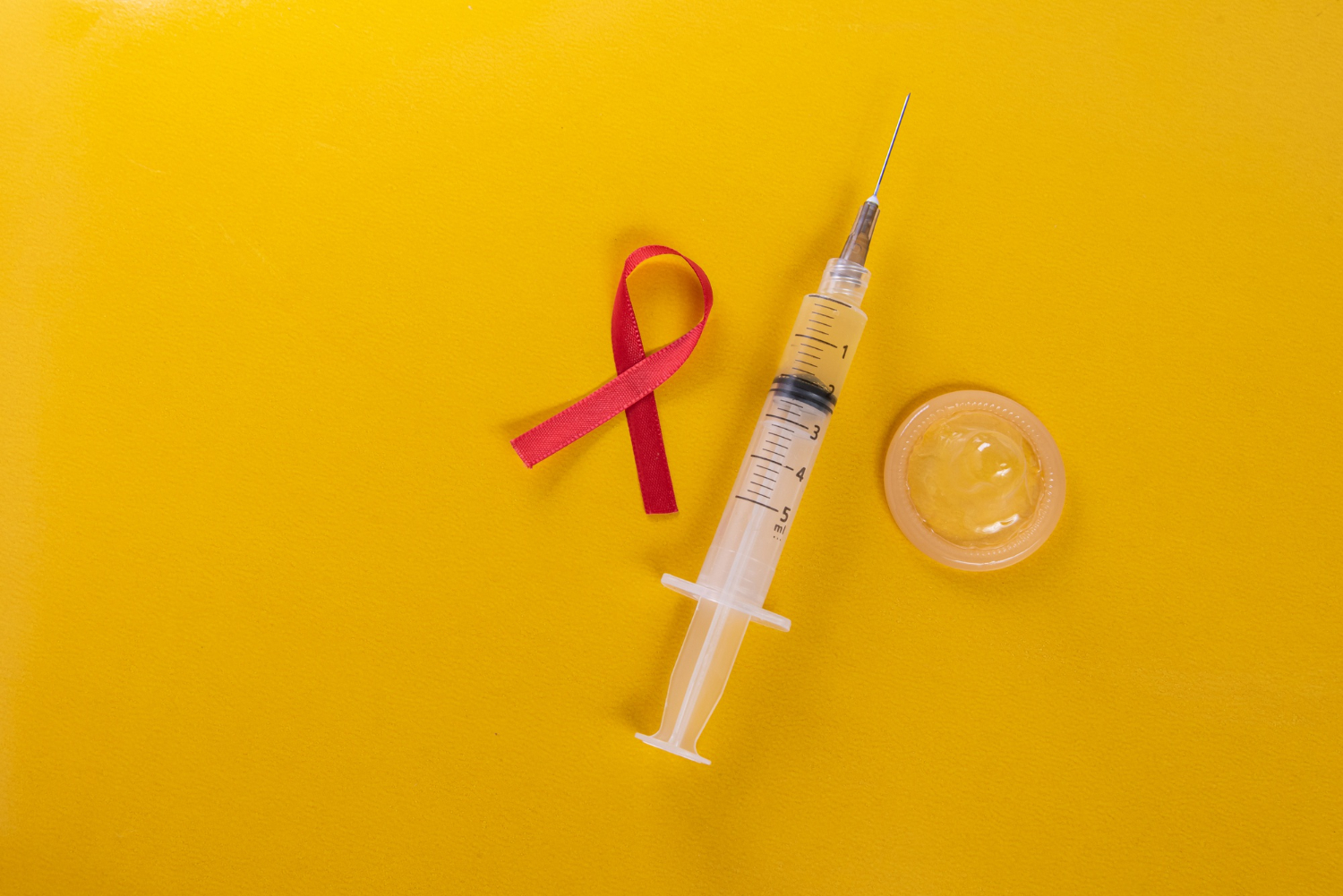
A cancer vaccine averts viral cancer infection, treats existing cancer conditions, hinders cancer advancement (high-risk groups) & instigates antitumor immune responses (cancer patients).
Clinical Applications:
• Cancer vaccines can be Prophylactic which prevents infection or acute disease and therapeutic which treats an infection development before or after a malignancy
• The ideal vaccine should prevent & treat infections effectively and reduce transmission chances in uninfected people.
How do cancer vaccines work?
Cancer vaccines induced tumour-immune cycle:
1. Cause dendritic cells (DCs) to uptake & process tumour antigens
2. Cross-presentation to MHC II or MHC I
3. Immune cells recruitment & activation with antigen-loaded lymph node migrated DCs
4. Generation of memory B cells & plasma cells is promoted by follicular DCs
5. ADCC-associated activated B tumours promote tumour apoptosis
6. Proliferation of activated T cell
7. Effector T cells & memory T cells differentiation
8. Travelling of effector T cell to TME
9. Cell apoptosis induction & tumour cell killing
10. TAAs & danger-signalling molecules released from dead immunogenic tumour cells
11. Subsequent cycle’s depth & breadth response repetition & Expansion Characteristics of appropriate cancer vaccine antigens comprise their immunogenicity and explicit expression in all cancer cells excluding normal cells.
Tumour Antigens:
• TAAs -tumour-shared antigens are easily adaptable to different patients, show central immune tolerance, recognize active T cells, are available with limited clinical trials and increase the risk of vaccine-induced autoimmunity toxicity by getting expressed in non-malignant tissues.
• TSAs-neoantigens - are produced by tumour cell mutation, get unaffected by central immune tolerance and trigger valid-specific T-cell response with limited off-target damage. To date optimal supportive studies are absent.
Cancer vaccines are categorised as Cell-based vaccines comprises of:
• Whole tumour-associated antigens (epitopes of CD4+ helper T cells & CTLs)
• Affects the immune system by importing tumour-associated antigens into DCs and Causes antigen proteins through normal physiological activities but have potential mutation insertion risk. They Deliver genetic information encoding tumour antigen to host cells and express tumour antigens induce immune-killing affecting against cancer cells Vaccine therapy barriers
• Immunosuppressive cells induced tumour extrinsic resistance
• Start interfering with activation & proliferation of T cells
• Inhibit DC function & promote tumour resistance
Obstacles can be overcome by prescribing patients, resistance-based combination therapy. Simultaneously inculcating TME immunosuppression, better immunotherapy delivery platforms, appropriate antigen selection, synergistic radiotherapy, chemotherapeutic agents, and immunomodulatory molecules.
Conclusion:
Futuristic personalized cancer vaccines need the development of substantial immunological mechanisms & sequencing technology, actual tumour-specific T-cell response with limited central immune tolerance & a single vaccine targeting multiple neoantigens to decrease immune evasion & elimination of tumours effectively. Efforts should be crucially made towards finding novel neoantigens, evolving combination therapy & boosting vaccine platforms.
Explore More
Lumbar Discectomy Postpartum: How to Ensure a Safe Recovery for New Moms

Exploring the Complexities of Comorbid Depression in Endocrine, Musculoskeletal, and Vascular Diseas
CPX4 Breast Tissue Expanders: Is This A Safe Option for Primary Reconstruction Patients?
CONGENITAL HEART DISEASE IN CHILDREN
The Association of Stress And Immune System

Substance abuse among teenagers- A new threat

Triggering Obesity For Mental Health

Importance Of Exercise And Sports Medicine
Do booster shots immunize HIV-infected individuals from COVID?