
Hidoc Journal Of Science
Etiology & Clinical Features of Chikungunya Virus
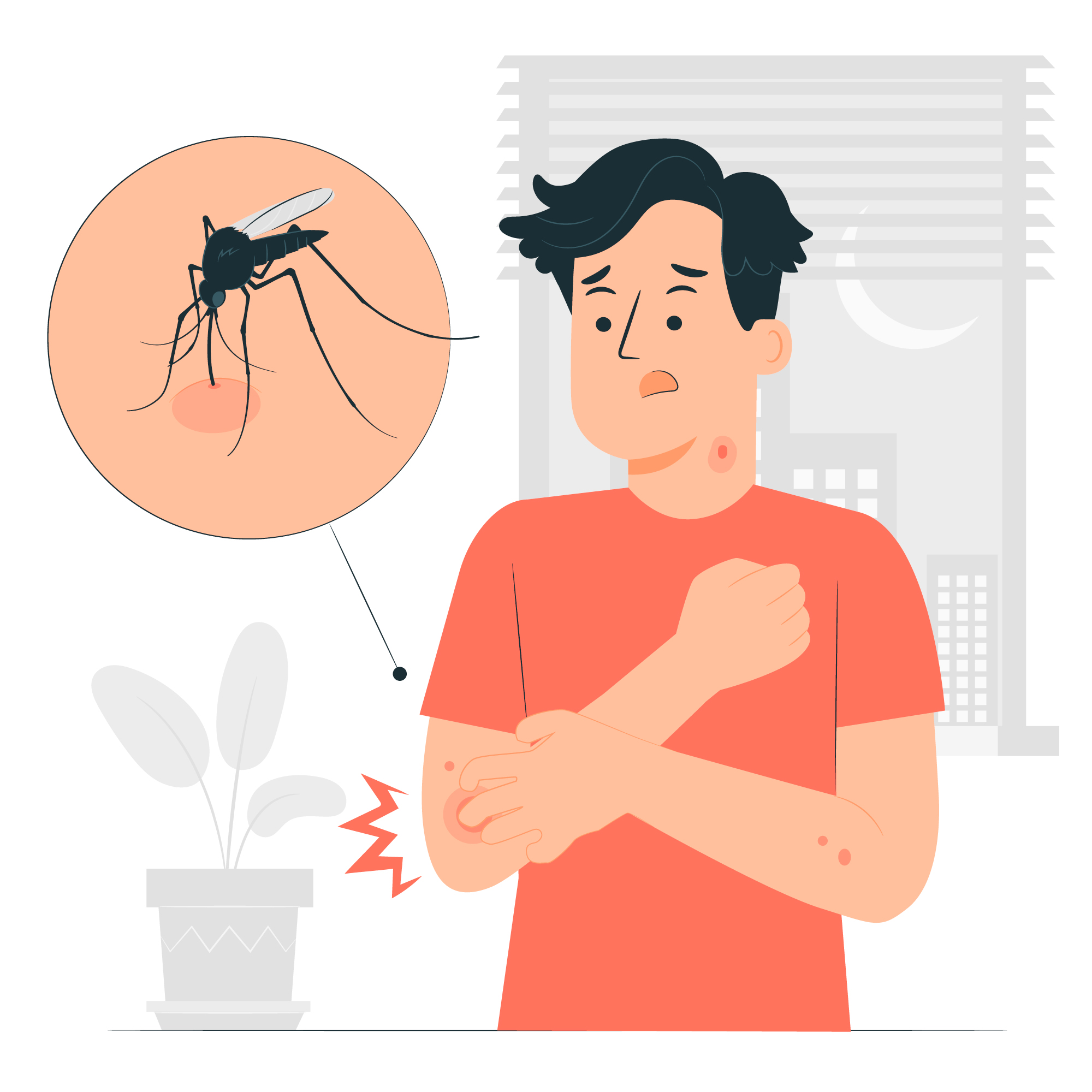
Chikungunya fever (CF) is caused by an arbovirus which is transmitted through Aedes mosquitoes. It is a single stranded RNA virus belonging to the Alphavirus genus of the Togaviridae, the characteristic feature of the family of this virus is they are mostly transmitted by arthropods. In 1952-1953 Tanzania had the outbreak for the first time and samples of both man and mosquitoes contained the virus. The virus is heat labile in nature and is found to be sensitive to temperatures above 580 Celsius. The virus uses Aedes aegypti mosquitoes as the common vector for transmitting the infection in urban areas and Aedes albopictus transmits in the rural areas.
Considering the epidemiology of the disease, it is mostly observed in the South-East Asia region and a human-mosquito-human transmission cycle is observed which is different from that of the sylvatic transmission cycle described on the African continent. A high vector density is observed during the post monsoon season which increases the transmission. Chikungunya fever epidemics display cyclical and seasonal trends. During the post monsoon period human beings serve as the Chikungunya virus reservoir, whereas, during inter-epidemic periods, vertebrates like monkeys, rodents, birds, and others get affected.
The clinical features observed in the chikungunya virus are fever (92%) usually associated with arthralgia (87%), backache (67%) and headache (62%). Low or high grade fever reaching 39 to 40 Degrees Celsius, with shaking chills and rigors can be observed that lasts for 24 to 48 hours and the use of antipyretics can subside it. Patients may also have arthralgia without fever where the joint pain worsens in the morning and can be relieved by mild exercise. It may get remited for 2-3 days and then reappear in a saddle back pattern. Migratory polyarthritis with effusions can also be observed in 70% cases, but resolves in the majority. Joints like ankles, wrists and small joints of the hand are worst affected. The classical bending phenomenon may occur due to the lower limb and back involvement, this makes the patient stoop down and bend forward.
The three phases of chikungunya infection are acute phase (less than 3 weeks), sub-acute phase (> 3 weeks to 3 months), chronic phase (> 3 months) and the clinical presentation can be mild, moderate or severe depending upon the symptoms. Other clinical features include mucocutaneous manifestation where transient maculopapular rash is observed in 50 % patients. Also angiomatous lesions, purpuras, stomatitis, oral ulcers, nasal blotchy erythema are observed in the patients. Apart from this, exfoliative dermatitis, epidermolysis bullosa and ocular manifestation can be observed. Ocular manifestations including photophobia and retro-orbital pain may also be seen. Neuroretinitis and uveitis in one or both eyes are also observed in patients.
Explore More

Lumbar Discectomy Postpartum: How to Ensure a Safe Recovery for New Moms

Exploring the Complexities of Comorbid Depression in Endocrine, Musculoskeletal, and Vascular Diseas

CPX4 Breast Tissue Expanders: Is This A Safe Option for Primary Reconstruction Patients?

CONGENITAL HEART DISEASE IN CHILDREN

The Association of Stress And Immune System

Substance abuse among teenagers- A new threat

Triggering Obesity For Mental Health

Importance Of Exercise And Sports Medicine

Do booster shots immunize HIV-infected individuals from COVID?