Hidoc Journal Of Science
Does Isotonic Exercise Impacts Sperm Vitality?
Background:
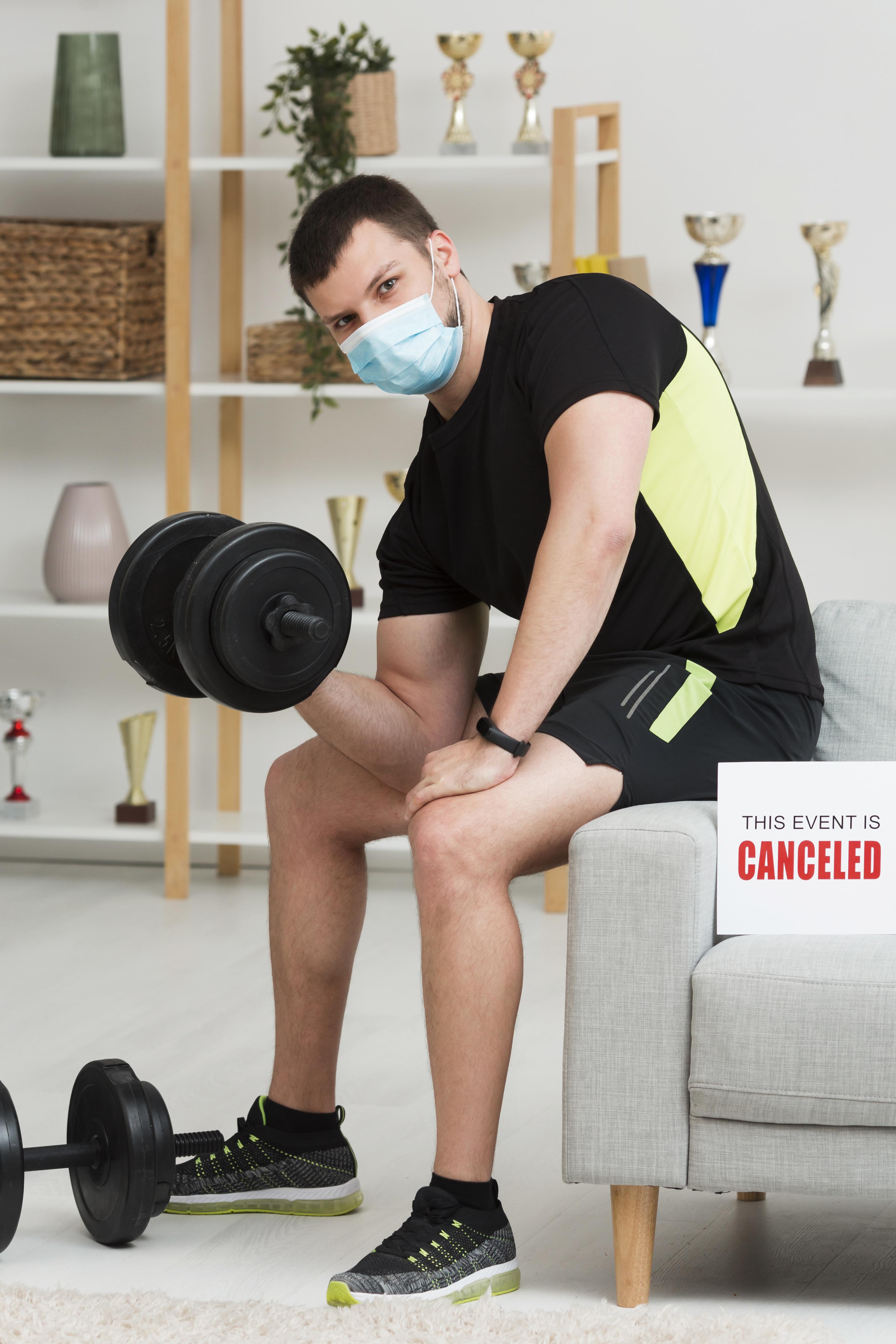
Sperm health is a crucial factor that is required to be maintained in men as it is related to the tendency of getting pregnant easily and having a healthy child. A lot of lifestyle factors can harm the sperm health affecting its count or reducing its motility rate. In order to maintain the good health of the sperm, isotonic exercises can pose several beneficial effects. It can improve the sperm vitality based on the intensity of the exercise, duration of it and the fitness of the individual.
Study:
In order to understand the effects of isotonic exercises a study is done by testing sperm vitality of 90 men among which 30 men used to have sedentary lifestyle (group A), 30 are healthy men involved in isotonic exercises for 1 year (group B) and the last 30 healthy men have involved themselves in exercises for last 5 years. Eosin- Nigrosin staining method is used to check sperm motility and the data is analyzed by 1 way Anova and Bonferroni's multiple comparison test. The results denoted that the mean sperm vitality (%) is statistically significant in Group B (mean =78.4 ±4.14) compared to Group A (mean =59.6 ± 15.47) and Group C (Mean=55.5 ± 14.51) and no such significant difference is noted between Group A and Group C. Based on this resulted it can be said that short term moderate intensity isotonic exercises can help in increasing the sperm vitality compared to long term moderate intensity isotonic exercises.
Discussion:
Although the study reflected that the individuals who have short term moderate intensity isotonic exercises have better sperm health compared to the ones who are having moderate intensity exercises for a long period of time, there are several discrepancies regarding the effect of exercise and physical activity on male fertility. This is because the American College of Sports Medicine and the American Heart Association recommends an exercise of moderate intensity for at least 30 minutes on 5 days each week or at least 20 minutes of vigorous exercise on 3 days each week. This can help in reducing the risks of obesity, diabetes, cardiovascular disease, and some cancers which can also impact the sperm health. In general, it appears that a relatively short duration and moderate intensity exercise can increase the serum testosterone levels, but it is not clear that at what degree of haemoconcentration, decreasing clearance or increasing synthesis are involved. It requires further research and more detailed clarification to explain all the associative phenomena related to the sperm health as well as the health of the individuals.
Explore More
Lumbar Discectomy Postpartum: How to Ensure a Safe Recovery for New Moms

Exploring the Complexities of Comorbid Depression in Endocrine, Musculoskeletal, and Vascular Diseas
CPX4 Breast Tissue Expanders: Is This A Safe Option for Primary Reconstruction Patients?
CONGENITAL HEART DISEASE IN CHILDREN

The Association of Stress And Immune System

Substance abuse among teenagers- A new threat

Triggering Obesity For Mental Health
Importance Of Exercise And Sports Medicine
Do booster shots immunize HIV-infected individuals from COVID?