Hidoc Journal Of Science
Systemic Lupus Erythematosus: Cause, Symptom, and Treatment
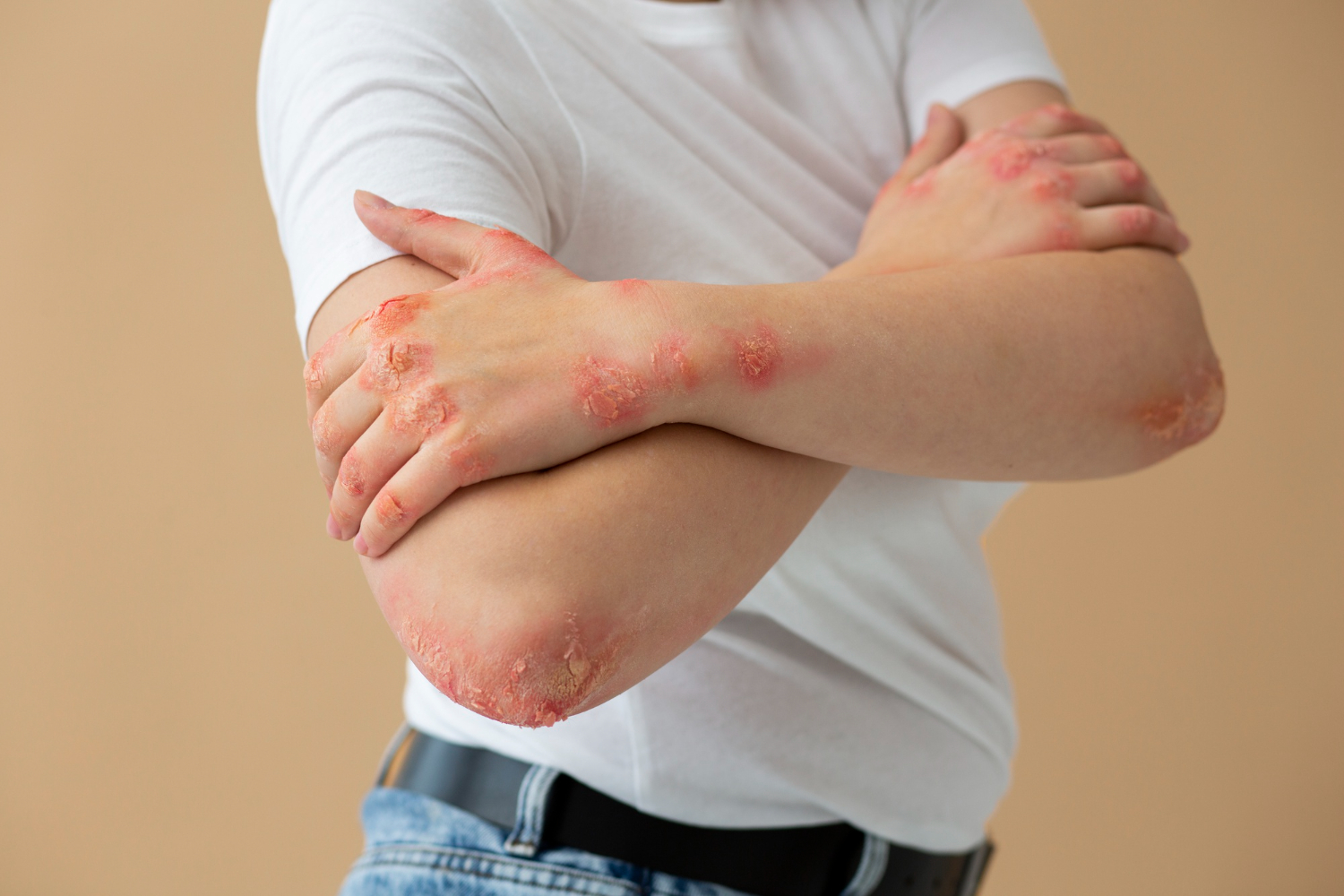
Systemic lupus erythematosus (SLE) is an autoimmune disease. In this disorder, the body's immune system unintentionally targets healthy tissue for the attack. The skin, joints, kidneys, brain, and other organs may be damaged. There are various phenotypes of the illness, and its clinical manifestations range from mild mucocutaneous signs to serious central nervous system complications involving multiple organs. In the progression of SLE, several immunopathogenic mechanisms are involved. Since then, several pathogenic autoantibodies have been discovered. The precise etiology is still unknown despite recent breakthroughs in technology and our understanding of the pathological foundation and risk factors for SLE.
Etiology:
SLE is a multiorgan illness with no identified cause. But several genetic, immune, endocrine, and environmental variables contribute to the etiopathogenesis of SLE. Despite the absence of a definitive inheritance pattern, familial separation and high concordance rates in identical twins indicate a significant genetic component of SLE. Concordant rates for identical twins have been reported as high as 50%. Women are ten times more likely than men to acquire SLE. Major risk factors for SLE include female sex and hormonal influence. Additionally, prolactin and estrogens boost the production of B-cell activation factors, encourage autoimmunity, and alter the activation of plasmacytoid dendritic cells (pDC) and lymphocytes.
Epidemiology:
SLE prevalence and incidence rates have been reported to vary, with variations primarily related to population differences. SLE predominantly affects women of childbearing age, with a female-to-male ratio of 9:1. In addition, cytopenia, renal disease, serositis, neurologic involvement, thrombosis, cardiovascular disease, hypertension, and vasculitis are more common in men than in women.
The disease is more prevalent in women of reproductive age, but it has been widely reported in the pediatric and geriatric populations as well. SLE in children typically manifests more severely than in adults, with a high prevalence of hematologic abnormalities,hepatosplenomegaly, nephritis, and pericarditis.
Causes:
The exact etiology of SLE is unclear. It could be associated with the following factors:
• Genetic
• Environmental
• Hormonal
• Certain medicines
Symptoms:
Every person has different symptoms depending on the severity and organ it affects.
Other common symptoms include:
• Chest pain when taking a deep breath.
• Fatigue.
• Fever with no other cause.
• General discomfort, uneasiness, or ill feeling (malaise).
• Hair loss.
• Weight loss.
• Mouth sores.
• Sensitivity to sunlight.
• Skin rash
• Swollen lymph node
• Abdominal pain
• Heart muscle inflammation
Diagnosis:
The diagnosis can be done by the following tests
• Antinuclear antibody (ANA)
• Complete blood count (CBC) with differential
• Chest x-ray
• Serum creatinine
• Urinalysis
Treatment:
Mild forms of the disease may be treated with: NSAIDs - For joint symptoms and pleurisy.
Corticosteroids – skin and arthritis symptoms
Hydroxychloroquine – For malaria
A severe form of the disease may be treated with:
High-dose corticosteroids – for example, Prednisone
Immunosuppressive medicines – used in conditions when lupus is severe and is affecting the nervous system, kidney, or other organs.
Medicines most commonly used include mycophenolate, azathioprine, and cyclophosphamide.
Blood thinners, such as warfarin, for clotting disorders such as antiphospholipid syndrome
Explore More
Lumbar Discectomy Postpartum: How to Ensure a Safe Recovery for New Moms

Exploring the Complexities of Comorbid Depression in Endocrine, Musculoskeletal, and Vascular Diseas
CPX4 Breast Tissue Expanders: Is This A Safe Option for Primary Reconstruction Patients?
CONGENITAL HEART DISEASE IN CHILDREN
The Association of Stress And Immune System

Substance abuse among teenagers- A new threat

Triggering Obesity For Mental Health

Importance Of Exercise And Sports Medicine
Do booster shots immunize HIV-infected individuals from COVID?