
Hidoc Journal Of Science
Benefits of Telehealth: Where Technology Meets Healthcare
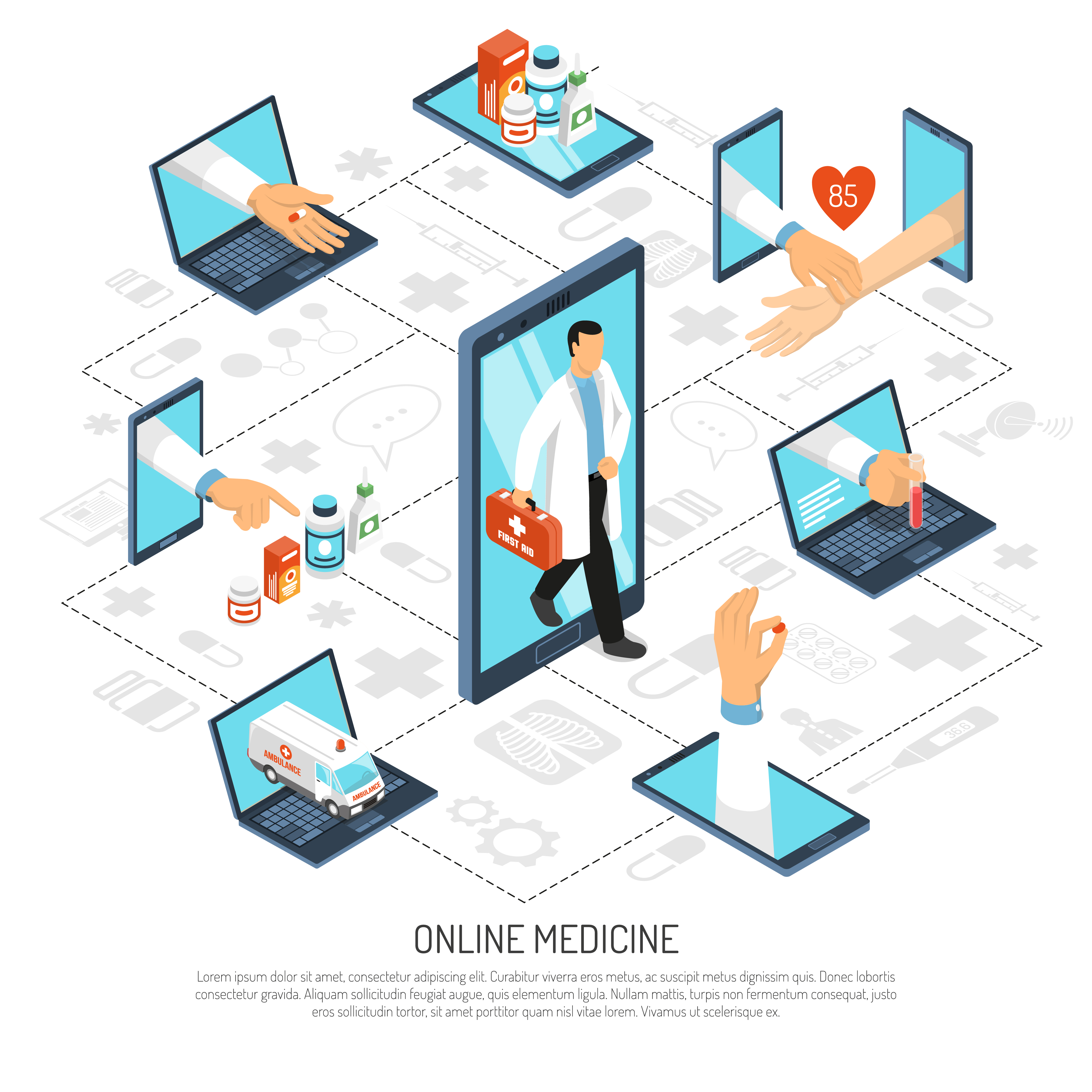
In the modern technology-driven era, conventional medical methods are getting replaced by high-tech medicine Midas touch practices. One such example is the discovery and usage of telehealth and telemedicine. It is in its nascent evolving stage, hence there is limited data visible on the clinical potency and cost-effectiveness of telehealth applications. It is a need of the moment to understand and unwrap the benefits and drawbacks of telehealth.
What are telehealth and telemedicine?
In Telehealth, telecommunication is used to improve health care services, public health facilities and health education delivery. It can provide lots of healthcare technology solutions which are offered to the patients to enhance the entire treatment process. According to the World Health Organization (WHO), telehealth includes, “Surveillance, health promotion and public health functions.” Telehealth is a part of E-Health, involving the passing of health intelligence to health practitioners and patients. Also using the internet to manage healthcare systems and educate and train the healthcare fraternity. Sometimes telehealth is a term used in place of telemedicine. Telehealth describes broader health service amenities like preventative, promotive, and curative care delivery whereas telemedicine refers to only remote clinical services, diagnosis and monitoring.
How telehealth works?
Technology, tools and services are key components of telehealth.
Doctors to Doctors
Tools-
interaction through email, video or both Services-Dermatology, Radiology, Surgical peer mentoring, Emergency trauma and ICU care Doctors to patients Tools- Video or audio call, E-mail, Remote wireless monitoring and Internet.
Services- Care for chronic conditions.
medication management, wound care, counselling, post-discharge follow-up and mental health.
Patient to mobile health technology
Tools-Wearable monitors, smartphones, mobile apps, video, e-mail, web portals and games.
Services-Health education, monitoring of physical activity, monitoring of diet, medication adherence and cognitive fitness.
Benefits of telehealth
• Offering easy-to-approach information and services
• Providing difficult delivery care and services
• Enhancing and broadening medical teaching
• Recommending desirable calibration screening programs and tools
• Helping to decrease health-care treatment charges
Disadvantages
• A not-so-strong doctor-patient relationship
• Less intimate professional interaction among health professionals due to lack of physical face-to-face meeting
• Quality of health information is not authenticated always
• Organizational and bureaucratic struggles
Conclusion
Telehealth has the possibility of extending the accessibility of conventional healthcare services to the general population rapidly. This requires focused research-oriented technology-driven telehealth development and expansion. Current drawbacks and limitations of telehealth should be rectified with an authentic scientific support system. Lastly, more awareness needs to be created of this newfound tech-health boon, its usage, benefits and possible limitations.
Explore More
Lumbar Discectomy Postpartum: How to Ensure a Safe Recovery for New Moms

Exploring the Complexities of Comorbid Depression in Endocrine, Musculoskeletal, and Vascular Diseas

CPX4 Breast Tissue Expanders: Is This A Safe Option for Primary Reconstruction Patients?
CONGENITAL HEART DISEASE IN CHILDREN

The Association of Stress And Immune System

Substance abuse among teenagers- A new threat

Triggering Obesity For Mental Health

Importance Of Exercise And Sports Medicine

Do booster shots immunize HIV-infected individuals from COVID?