
Hidoc Journal Of Science
Introduction To Immune Thrombocytopenic Purpura
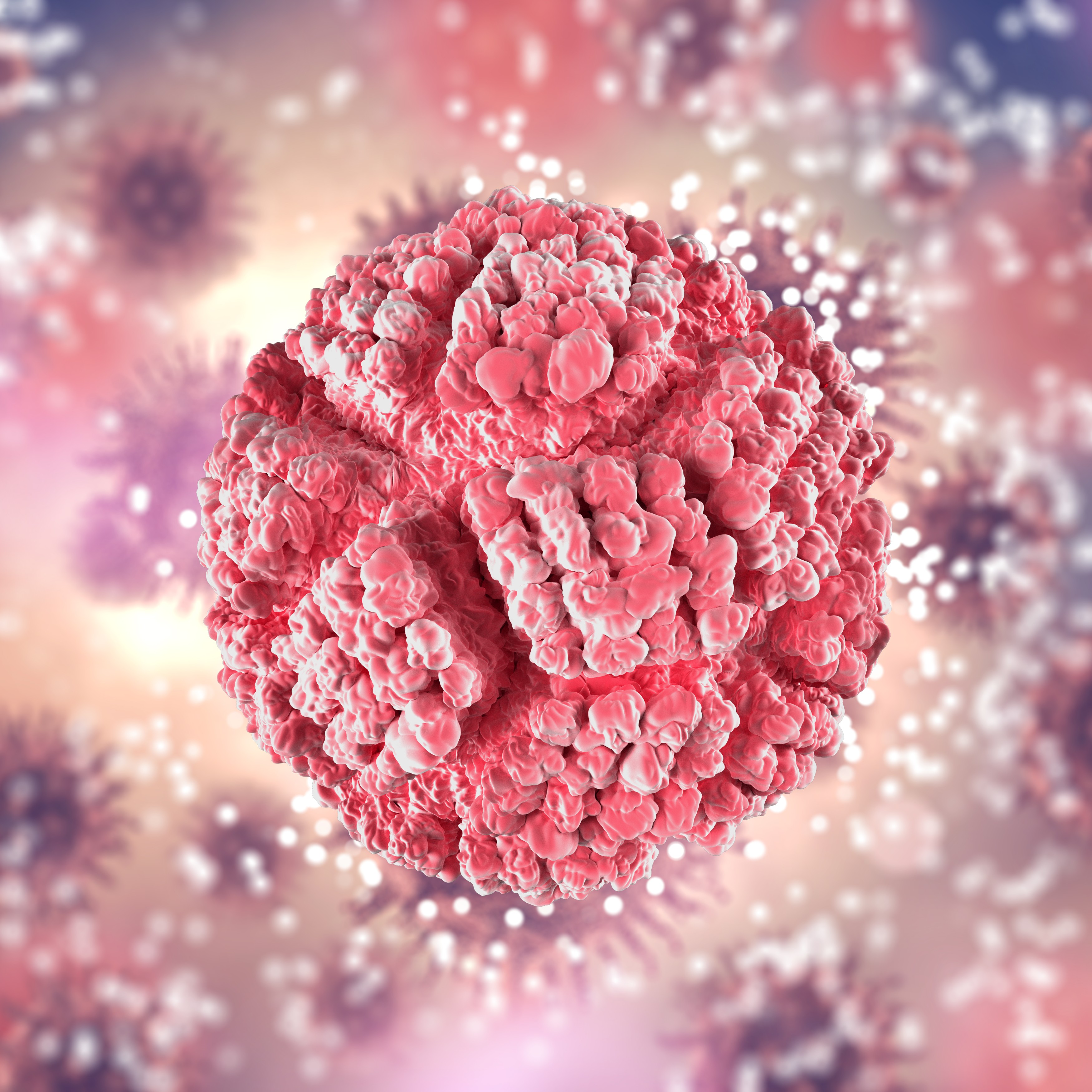
An autoimmune condition known as immune thrombocytopenic purpura (ITP) is characterized by a low platelet count, purpura, and hemorrhagic episodes caused by antiplatelet autoantibodies. SLE, infectious mononucleosis, lymphomas, chronic lymphocytic leukemia, and other bacterial and viral diseases can all be linked to the same type of autoimmune thrombocytopenia. In healthy children and young adults, ITP often develops a few weeks after a viral infection. The majority of children gradually recover after a few weeks or months, and splenectomy is rarely required. However, in the first few months following diagnosis, spontaneous remissions in young adults are unusual and sometimes require splenectomy.
ETIOLOGY
Adenocarcinoma, lymphoma, common variable immunodeficiency, and autoimmune illnesses can all cause immune thrombocytopenic purpura in addition to infections (such as the human immunodeficiency virus), cancer, and other diseases (e.g., systemic lupus erythematosus, autoimmune hepatitis, and thyroid disease). These disorders cause the development of anti-platelet antibodies, which then in return destroy platelets. Drugs may also cause autoimmune thrombocytopenia, such as acetazolamide, aspirin, aminosalicylic acid, carbamazepine, cephalothin, digitoxin, phenytoin, meprobamate, methyldopa, quinidine, rifampin, and sulfamethazine.
EPIDEMIOLOGY
Immune thrombocytopenic purpura can be divided into two classifications; acute and chronic. Both sexes are affected by the acute form, which first manifests in childhood and may be preceded by a viral illness. The chronic variant generally does not include a viral infection, affects people between the ages of 20 and 50, and has a 3 to 1 female-to-male ratio. While the platelet levels are near normal at this time, they may manifest with bleeding episodes for months or years. Fewer than 10% of children develop chronic ITP.
DIAGNOSIS
• Laboratory tests include – Low platelet count of typically <40x10^9/L for more than three months
• Bone marrow examination - It shows an increased number of megakaryocytes
• Platelet Coomb's test - Detects anti-platelet antibodies fixed on the patient's platelets
• Complete blood count (CBC) - an evaluation of the size, quantity, and maturation of various blood cells in a given volume of blood to measure platelets.
• Additional blood and urine tests - These procedures, which include a unique blood test known as an antiplatelet antibody test, are carried out to evaluate bleeding time and find any potential infections.
TREATMENT
1. Specific treatment for ITP is determined by a healthcare provider based on the following parameters –
• Age, overall health, and medical history
• The extent of the disease
• Tolerance for specific medications, procedures, or therapies
• Expectations for the course of the disease
2. Steroids and intravenous gamma globulin are the two most frequently used types of prompt therapy when treatment is required –
• Steroids - Steroids slow down the rate of platelet oxidation, which helps to stop bleeding
• Intravenous gamma globulin (IVGG) – is a protein containing multiple antibodies and also slows the destruction process
3. Other treatments for ITP may include
• Medication such as Rh immune globulin, Rituximab (Rituxan), Romiplostim (N-plate), and eltrombopag (Promacta)
• Infection treatment - may result in higher platelet counts
• Splenectomy – considered more often in chronic ITP conditions to slow platelet destruction.
Explore More
Lumbar Discectomy Postpartum: How to Ensure a Safe Recovery for New Moms

Exploring the Complexities of Comorbid Depression in Endocrine, Musculoskeletal, and Vascular Diseas

CPX4 Breast Tissue Expanders: Is This A Safe Option for Primary Reconstruction Patients?
CONGENITAL HEART DISEASE IN CHILDREN

The Association of Stress And Immune System

Substance abuse among teenagers- A new threat

Triggering Obesity For Mental Health

Importance Of Exercise And Sports Medicine

Do booster shots immunize HIV-infected individuals from COVID?