
Hidoc Journal Of Science
This has been developed as a part of CME for our audience. The Bulletin of the Hidoc Dr is available online at our website and app and it is fully open-accessed. The articles are published with a special focus on discussing the current potentials and challenges of the medical field.
Our platform is aiming to make its full content available to the audience as widely as possible. This is an initiative for the medical practitioners including students and researchers to share their knowledge, research content, novel ideas etc globally. So, let us come together to learn, explore new insights of healthcare and also to stay updated.
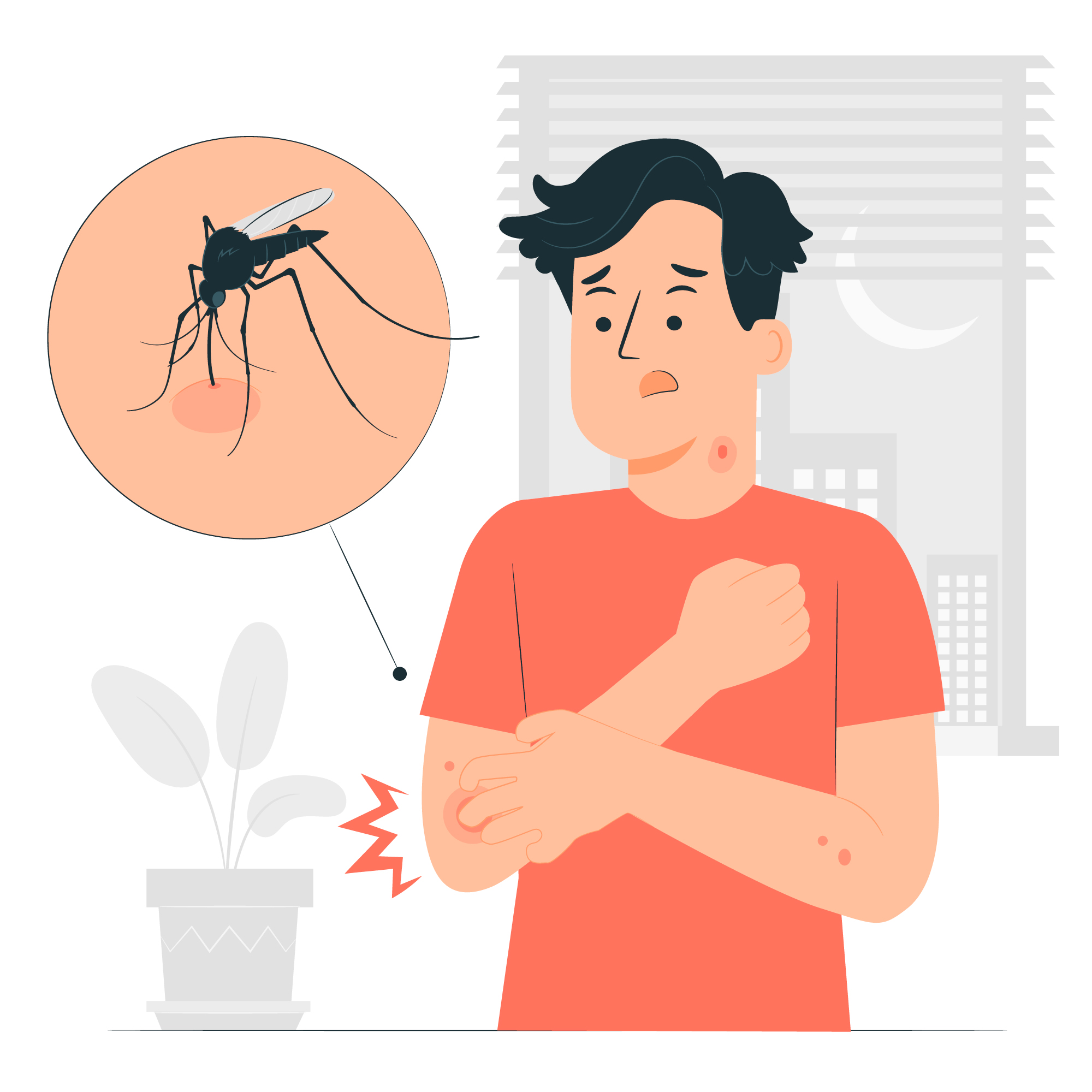
Etiology & Clinical Features of Chikungunya Virus
Chikungunya fever (CF) is caused by an arbovirus which is transmitted through Aedes mosquitoes. It is a single stranded RNA virus belonging to the Alphavirus genus of the Togaviridae, the characteristic feature of the family of this virus is they are mostly transmitted by arthropods.
Read more →
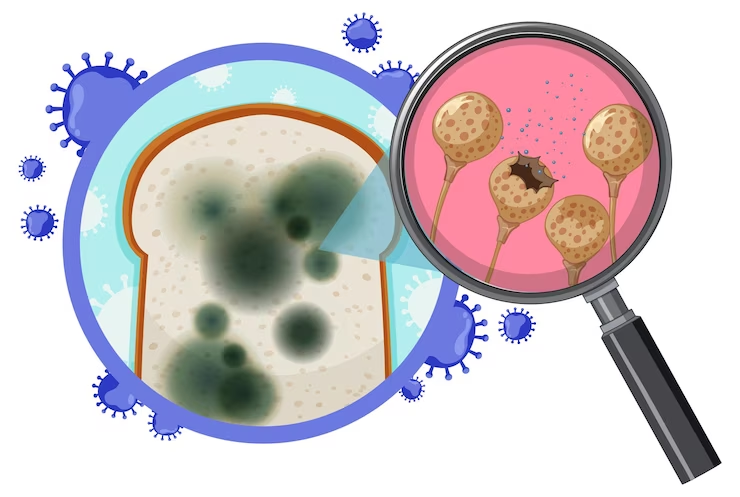
Epidemiology and Pathogenesis of Leptospirosis
Leptospirosis is caused by Leptospira sp and is transmitted directly or indirectly from animals to humans, human to-human transmission is very rare. The mammalian species mainly harbor the organism leptospires in their kidneys and it becomes the source of infection to human beings and other animals.
Read more →
Obesity is a major risk factor for cancer
As reported cancers of endometrial, oesophageal adenocarcinoma, colorectal, postmenopausal breast, prostate & renal are caused due to surplus weight. The mechanism behind obesity and cancer partnership.
Read more →

Intraoperative fluid management in Pediatric patients undergoing major surgery
Perioperative fluid management is extremely important among patients. While managing the pediatric patients it appears to be highly challenging as children are unable or less able to cope up with inappropriate water content and electrolyte administration compared to adults.
Read more →
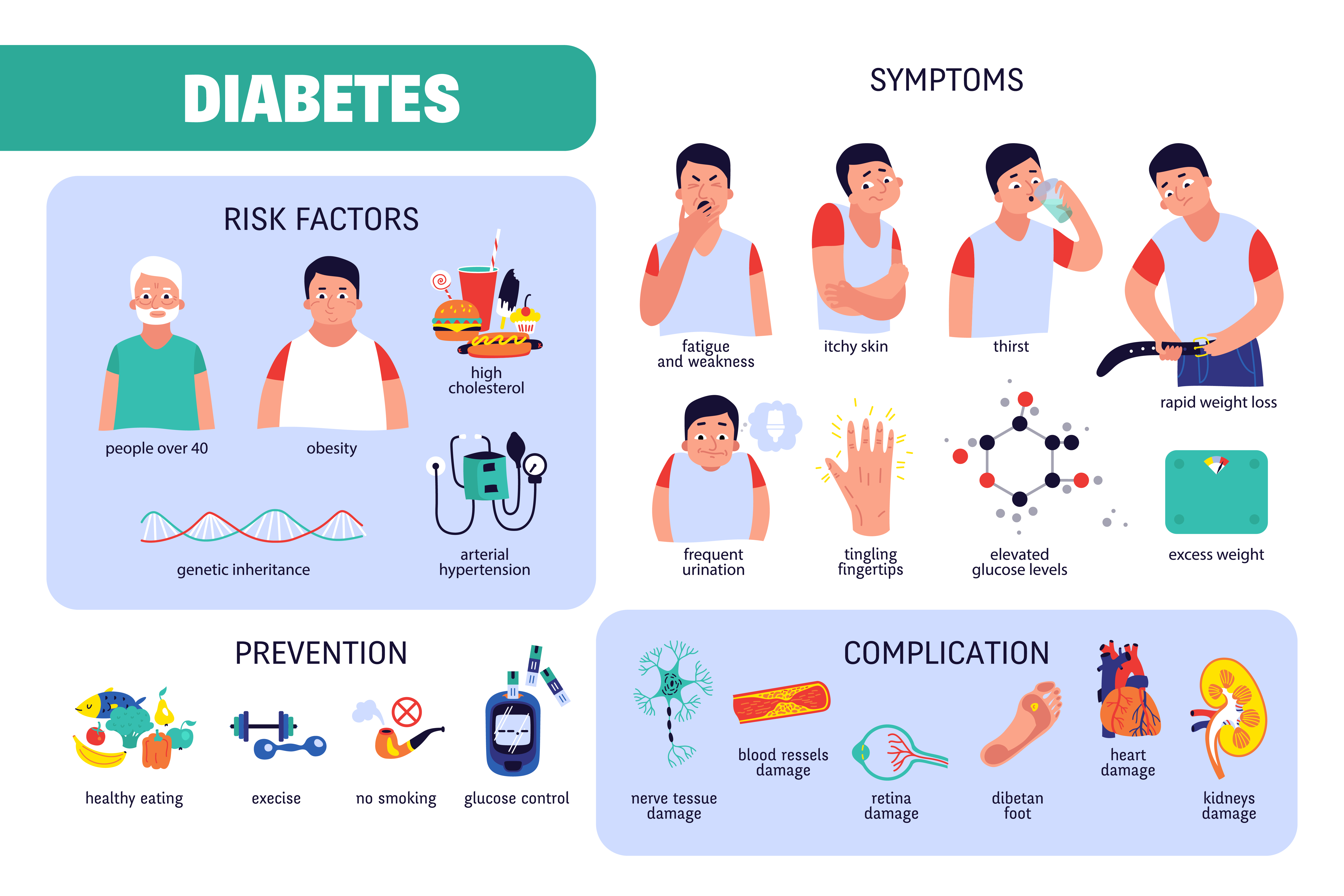
Determining Ideal Fluid For Infusion in DKA
Diabetic ketoacidosis (DKA) is one of the serious acute complications observed in diabetes. An elevation of capillary blood glucose, apillary ketones and other parameters like elevation of positive urine ketones, venous pH, bicarbonate are noted in DKA.
Read more →

Efficacy of Antidepressants for Depression in Alzheimer’s Disease (AD)
AD is a neurodegenerative disease comprised of chronic, debilitating progressive symptoms & functional decline. With AD advancement, neuropsychiatric symptoms like depressive symptoms, psychotic symptoms, sleep impairment & behavioural disturbances develop.
Read more →
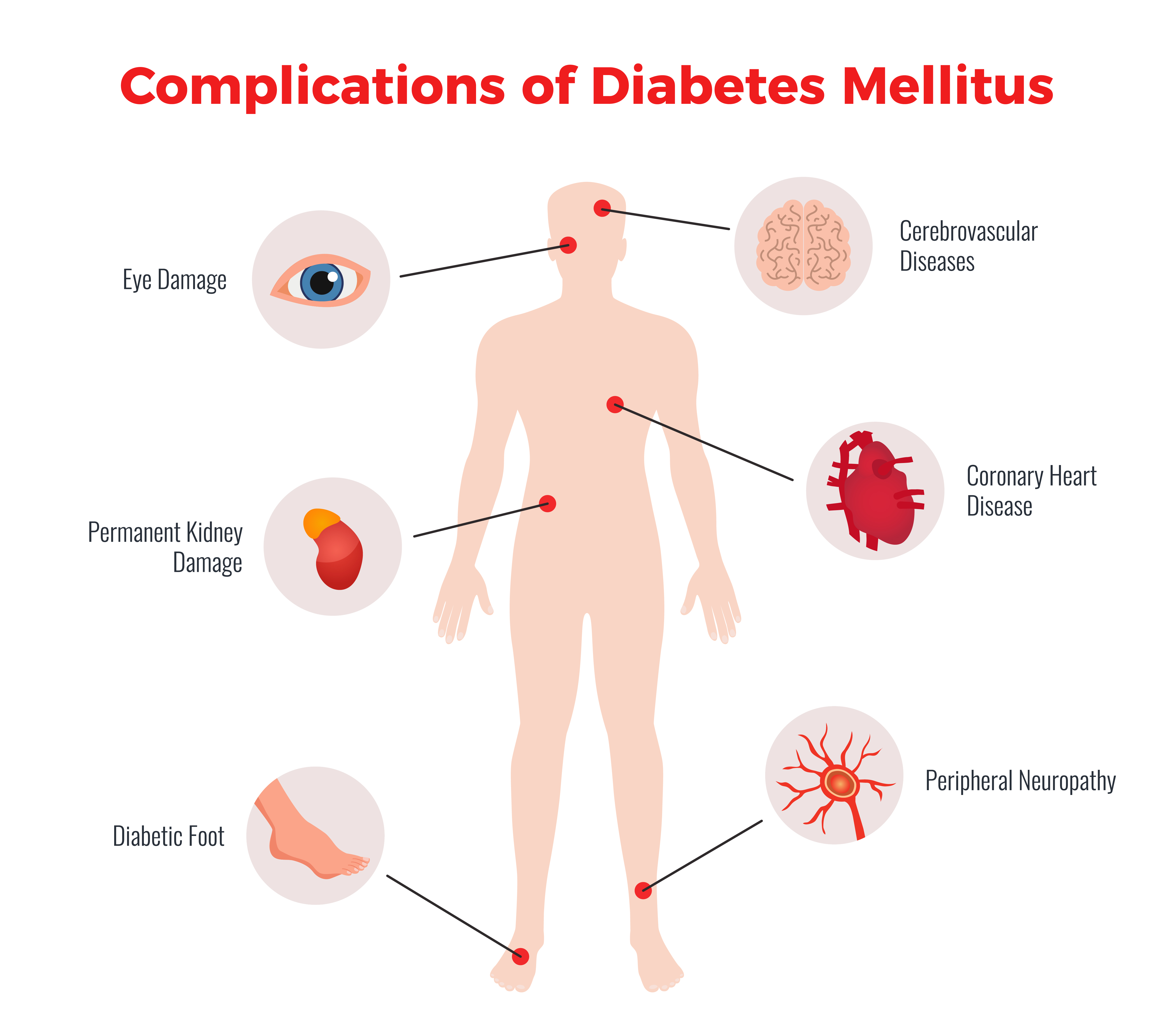
Relationship between diabetes and heart disease
Diabetics with advancing age accompanying symptoms like high blood pressure, excessive waist fat, and cholesterol imbalance induce poor metabolic control associated with microvascular and microvascular complications.
Read more →
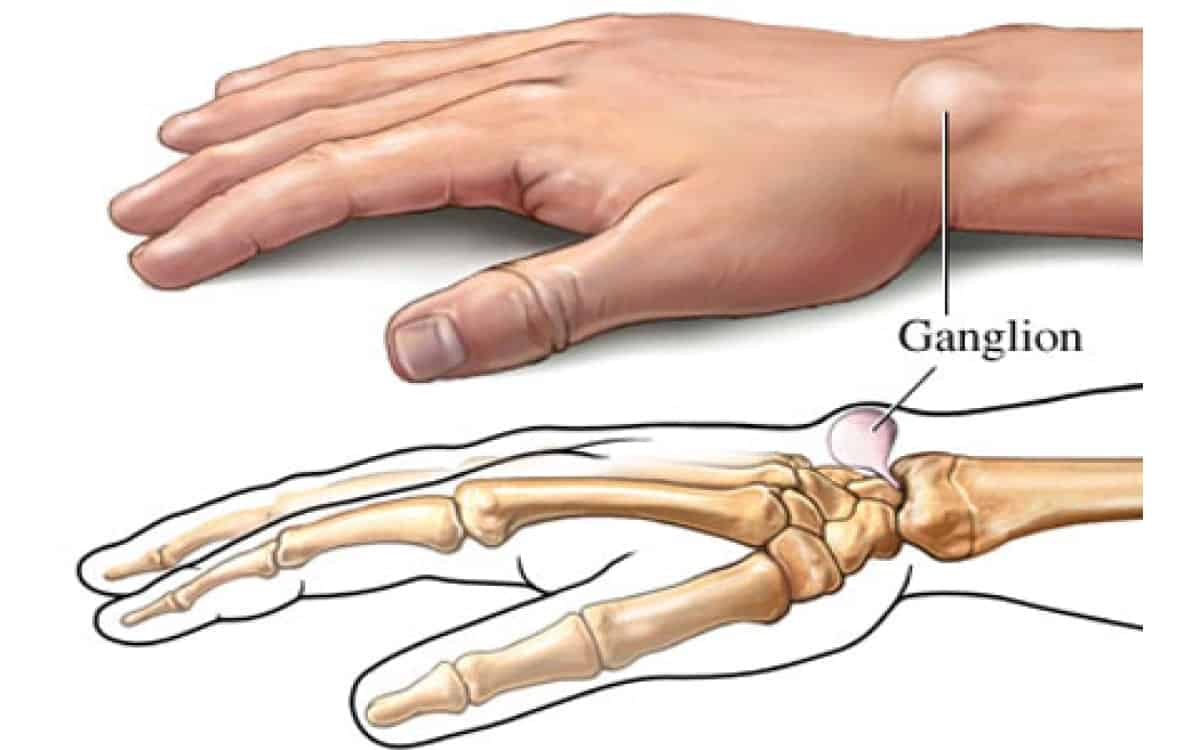
All About Ganglion Cysts
Ganglion cyst is also commonly known as a Baker's cyst. These ganglion cysts are basically small in size and contain thick jelly-like material. It has got an appearance of smooth lump under the skin.
Read more →
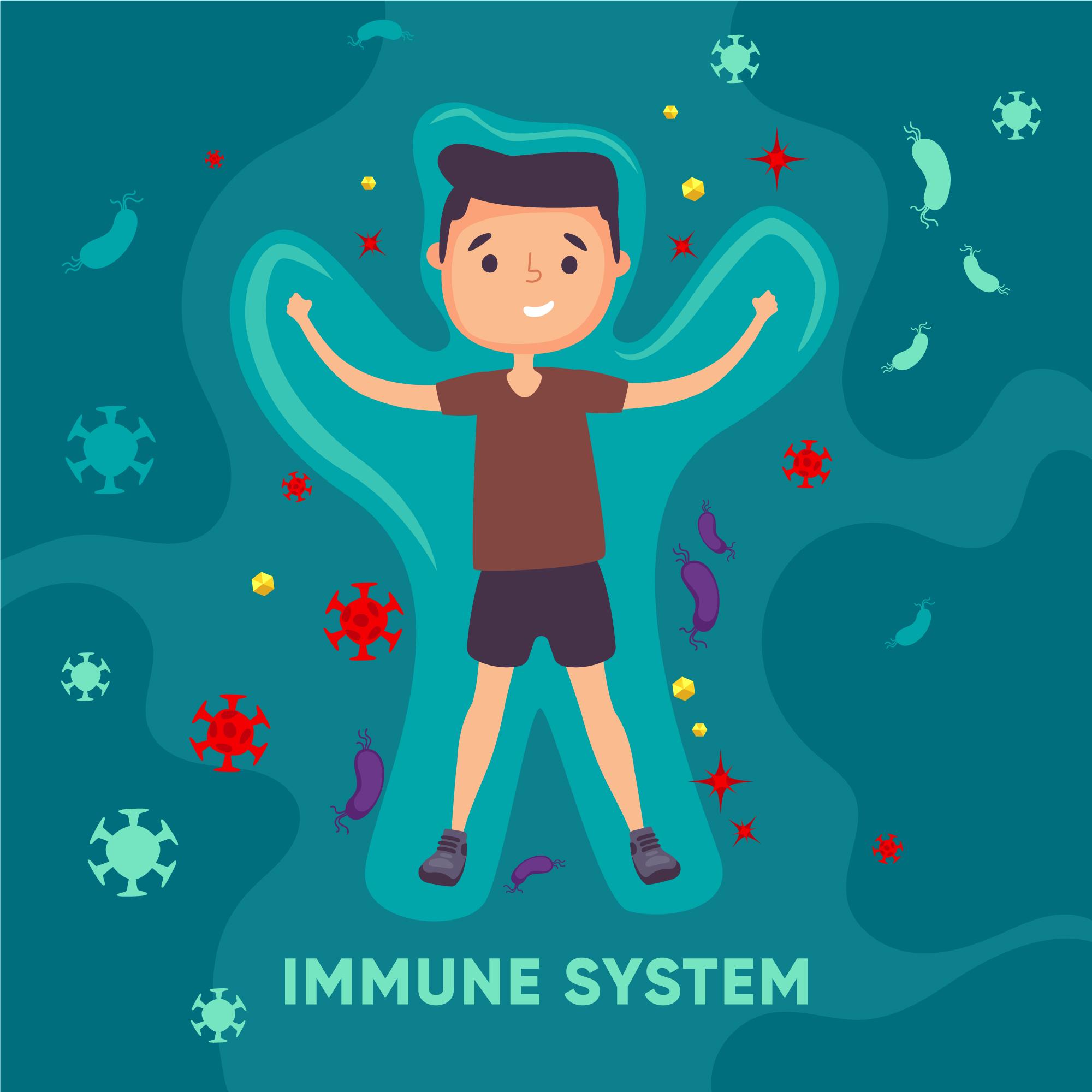
Autoimmune Disease: Clinical Facts
Around 80 different autoimmune disorders are noted with mild to disabling severity. It has been found that women are more susceptible to autoimmune disorders than men, particularly during their childbearing years.
Read more →

Medical and lifestyle measures for Stroke prevention
Stroke is a prominent and prevalent reason for widespread impairment. It can be called as the incoming epidemic of the 21st century (World Health Organization) and a threat to older as well as younger population. Include vitamins A, B12, C, E, and niacin-rich food sources.
Read more →